
Chef Jobs in Japan (2026 Guide): Ski Resort Salaries, Visas & How to Actually Get Hired
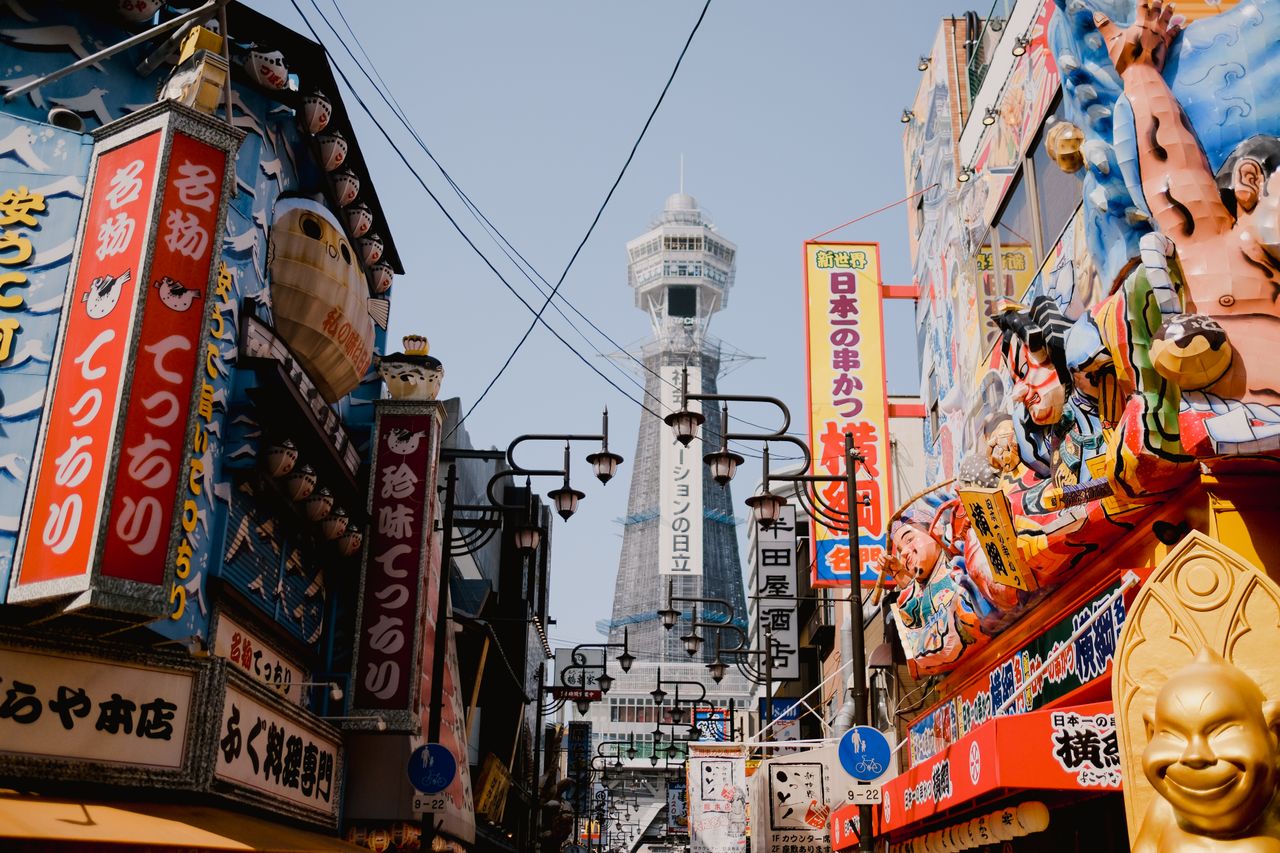
Japan gets talked about among traveling chefs the way Antarctica gets talked about among traveling scientists — everyone's heard the stories, almost nobody actually goes. Part of that is the language barrier reputation. Part of it is the assumption that visas are impossible without a decade of experience. Both are only half true, and which half applies to you depends entirely on which door you're trying to walk through.
There isn't one "Japan chef visa." There are three separate pathways, they lead to very different jobs, and picking the wrong one wastes months. This guide breaks down what each actually requires, what the pay looks like once you're there, and where the real hiring demand is right now — which, if you've been paying attention to ski season chef jobs generally, will not surprise you.
The three ways foreign chefs actually get into Japan
1. Working Holiday Visa — the fastest way in, and the one almost nobody uses correctly. If you're a citizen of one of Japan's working holiday partner countries (Australia, Canada, UK, Ireland, and about two dozen others) and under the age limit — usually 30, sometimes 25 depending on your country — you can get a visa with no job offer, no Japanese, and no sponsor. It's capped at 6-12 months depending on nationality, which makes it a near-perfect fit for a single ski season. This is how most foreign kitchen staff in Niseko and Hakuba actually get there.
2. Specified Skilled Worker (SSW) visa — the route for people who want to stay longer without a decade of pedigree. It requires passing a skills test plus a Japanese language exam, typically JLPT N4 or the equivalent JFT-Basic test. Food service is one of the designated shortage sectors under this program. SSW Type 1 caps out at five years total and doesn't allow bringing family; Type 2, which now covers nearly all sectors, allows unlimited renewal and a family visa, and puts you on a real path toward permanent residency.
3. Skilled Labor (Ginou) visa — the traditional route, and the hardest to qualify for. It requires roughly ten years of documented experience specifically in a foreign cuisine — French, Italian, Indian, Chinese, and similar are the classic categories. Immigration scrutinizes this one hard: they check the employer's kitchen equipment, seating count, and menu to confirm the restaurant genuinely needs a specialist in that cuisine, not just a general cook. If you qualify, though, it's a real long-term visa with a family sponsorship option and a path to permanent residence after ten years total in Japan.
For most chefs reading this, the practical decision tree is simple: if you're eligible for a Working Holiday visa, use it for your first Japan season. It's the only route that doesn't require a job offer before you land, and it lets you test whether Japan is actually for you before committing to the language study SSW requires. For everything you need to know about how work visas function generally before you specialize into Japan, our complete 2026 work visa guide and best countries for visa sponsorship breakdown are good starting points.
What foreign chefs actually earn in Japan
Salary data for chefs in Japan is unusually fragmented because "chef in Japan" spans wildly different labor markets — a seasonal SSW cook in a Niseko lodge kitchen and a ten-year sushi master in Tokyo are not remotely comparable.
Seasonal / entry-level (SSW or working holiday, resort and casual dining): ¥180,000–¥350,000+ per month, depending on region, restaurant type, and shift pattern. Resort towns with heavy foreign clientele — Niseko chief among them — tend to sit toward the higher end of that band because demand for English-speaking kitchen staff outstrips supply.
Mid-career (5-10 years, sous chef or specialty station): roughly ¥3-5 million annually for junior specialists, climbing to ¥5-8 million for sous chefs and specialty-station cooks (sushi counter, tempura station) in established restaurants.
Senior / executive (15+ years, leadership roles): ¥8-15 million or more annually for executive chefs and highly specialized craftsmen in Tokyo, Kyoto, and Osaka — this is the tier the Skilled Labor visa is built for.
Two things worth knowing that most salary comparisons leave out: reported Japan salaries commonly already include the housing or transport allowances that are standard practice there, so a headline number can look lower than an equivalent Western offer while actually landing similar once you account for what's bundled in. And Tokyo specifically runs noticeably higher than the national average — one salary dataset puts the average Tokyo chef salary well above ¥7 million versus roughly ¥5.2 million nationally — so a national average understates what a comparable Tokyo role pays, and overstates what a rural or resort-town role pays.
Where the actual hiring demand is: Niseko and Hakuba
If you're chasing a first Japan season rather than a decade-long career move, ski country is where the doors are actually open. Niseko in particular has built an entire seasonal economy around foreign workers precisely because the resorts serve an overwhelmingly international clientele — Australian tourists especially — and genuinely need English-speaking kitchen and hospitality staff to run it.
The honest caveat: on-mountain roles (lift operations, ski patrol, mountain hospitality) still lean heavily toward hiring Japanese speakers. But the surrounding hospitality economy — restaurants, lodges, private chalet catering — is a different story entirely, and this is exactly where foreign chefs land. Companies built specifically around serving international guests are the path of least resistance if your Japanese is limited.
We're actively building out our Japan employer network on ChefJobs Abroad right now, and current live listings include multiple Niseko-based roles worth a look:
You can browse the full, current list any time on our jobs board.
What to actually prepare before you apply
Language: you do not need fluency to work a Niseko season, but functional kitchen Japanese (station names, basic instructions, food safety terms) makes you a dramatically more useful hire and opens doors beyond the most foreigner-heavy operations. If you're eyeing an SSW or Skilled Labor visa longer-term, JLPT N4 is table stakes — start now, not after you get an offer.
Documentation, early: the Skilled Labor visa route in particular lives or dies on paperwork — notarized certificates of employment from every prior kitchen, translated into Japanese, clearly stating your specific cuisine specialization and dates. Immigration authorities are strict about forged or vague documentation given a documented history of fraud in this category, so start gathering these letters from past employers well before you need them, not after a job offer arrives with a deadline attached.
A cuisine specialization, if you're going the Skilled Labor route: general "Western cooking" experience doesn't satisfy the visa category the way a clearly defined specialty does — French, Italian, and Indian cuisine chefs have the clearest track record of approval.
Once you have an offer in hand, the same due-diligence rules apply as anywhere else — read our chef contract red flags guide before signing anything, and make sure your CV is built for an international audience rather than a domestic one — Japanese employers hiring foreign kitchen staff are specifically looking for evidence you can operate independently in an unfamiliar system, so lead with that.
Sources: Japan Specified Skilled Worker visa overview, Skilled Labor visa requirements for chefs, SSW food service salary data, Japan chef salary benchmarks, Niseko ski season hiring landscape.
Never Miss a Chef Opportunity
Get the newest international chef jobs and travel career guides delivered weekly.
No spam. Unsubscribe anytime.