
Your First Camp Rotation: What to Pack, the Rules That Get People Sent Home & What Nobody Tells You
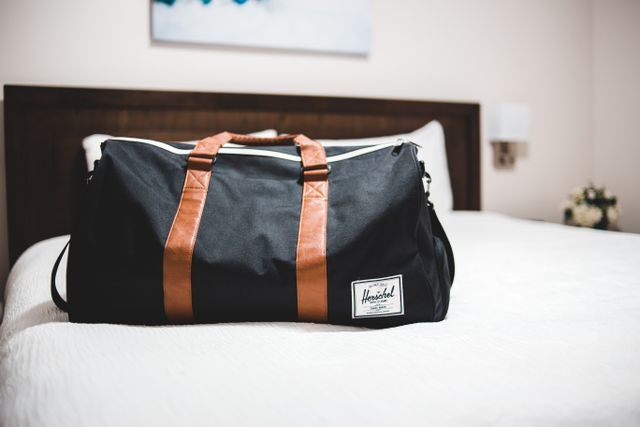
You passed the drug test, the medical, the interview. The flight's booked. Now comes the part nobody trains you for: actually living where you work for two, three or four weeks straight.
Your first rotation is where most people find out whether camp life suits them. It's also where a few get walked off site before the swing is over, usually for something they didn't realise was a big deal.
This is the guide to getting through swing one: what to pack, the rules that matter, and the honest stuff veterans wish someone had told them.
The week before you fly
- Confirm the travel details in writing. Pickup point, departure time, charter or commercial flight, baggage limit, and who meets you on arrival.
- Ask what the room setup is. Some camps have private rooms with an ensuite; others share bathrooms. LandSea, for example, says most of its BC camps offer individual rooms with ensuite or shared bathrooms, plus wifi and sometimes a gym.
- Check the weather and daylight. A Horizon North ad for its Nunavut camp warns of extreme weather and long stretches with no sunshine at certain times of year. Pack for the site, not for home.
- Get your paperwork together. Tickets, ID, and any prescription paperwork. If you take prescribed medication, keep it in its labelled container and follow your employer's process for declaring it.
- Sort money and home. Pay bills ahead, set up automatic transfers, and tell your bank you'll be somewhere remote so your card doesn't get blocked.
- Download your entertainment. Camp wifi is shared and can crawl at peak times.
What to pack
Check your onboarding pack first. Camps supply different things, and charter flights often have tight baggage limits.
For work
- Proper work footwear. Non-slip kitchen shoes at a minimum. Some sites require safety-rated (steel or composite toe) footwear everywhere, including the kitchen. Dexterra's camp chef ads, for example, list full PPE including non-slip footwear, chef's uniform, gloves and a hat or hairnet.
- Chef whites or uniform. Some employers provide a partial uniform; bring enough of your own to get through the days between laundry runs.
- Compression socks and good insoles. Twelve-hour days on hard floors add up fast.
- Copies of your tickets. Food safety, first aid, any others, on paper and on your phone.
- Your own knives, if allowed. Many camp kitchens supply knives, and some restrict personal ones. Ask first.
For your room
- Earplugs and an eye mask. Non-negotiable if you're on nights or your walls are thin. Camps run 24 hours.
- Shower slides.
- A laundry bag. Laundry is usually free at camp, but you'll be carrying your own.
- Toiletries for the whole swing. Many camps have only a small shop or none at all.
- A long phone charging cable. Outlets are never near the bed.
- A headlamp or small torch. Handy on dark walks between your room and the kitchen.
- Gym clothes and a book. Gyms are common, and evenings are long.
- Warm layers. Even in a hot climate, kitchens and dining rooms can be cold first thing.
Don't pack
- Alcohol or drugs of any kind, including cannabis in Canada. More on this below.
- Anything your site bans. Read the camp rules in your onboarding pack before you pack.
- More than you can carry. You'll be hauling it across a gravel lot.
The rules that get people sent home
Every camp sets its own rules, but these are the ones that end swings early.
1. Drugs and alcohol
This is the big one. Camp jobs are usually safety-sensitive, which is why pre-access drug and alcohol testing is standard and why many employers can test again on site.
Dry camps don't allow alcohol anywhere, including your room. When Canadian Natural made its Horizon and Albian Sands oil sands camps dry in 2017, it told contractors that possessing alcohol on company property, camp rooms included, could lead to termination or removal from site.
Wet camps have a licensed bar, often called the wet mess, but with tight conditions. Northern Territory liquor licences for mine camps show the kind of rules involved: sales only to camp residents, no alcohol brought in from outside, daily per-person limits, and in one case compulsory daily alcohol testing before shift. Some camps sell only mid-strength drinks.
In Canada, legal doesn't mean allowed. Energy Safety Canada's guidance is clear that cannabis legalization doesn't change workplace drug rules for safety-sensitive roles.
2. Safety rules and PPE
Wearing the wrong footwear, skipping PPE, ignoring site driving rules or cutting corners on food safety are fast ways to end up in the camp manager's office. Treat every site rule as if your job depends on it, because it does.
3. Harassment and behaviour
Camps take this seriously, and they should. A 2022 Western Australian parliamentary inquiry, titled Enough is Enough, found sexual harassment was widespread in the FIFO mining industry. It reported that 74% of women in the sector said they'd been sexually harassed in the past five years, and it recommended moderate drinking standards at FIFO camps.
Since then, rules and reporting systems have tightened across the industry. Expect zero tolerance, and expect to be walked off site for crossing the line. If it happens to you, report it. In WA, Circle Green Community Legal offers free, confidential support to people who've experienced sexual harassment on mine sites (1800 929 250).
4. Visitors, noise and room rules
Most camps restrict who can be in your room and enforce quiet hours, because half the camp is asleep at any given time. Respect the night shift's sleep the way you'll want yours respected.
What nobody tells you
The first swing is the hardest. Your body is adjusting to long days and a new sleep pattern. Many people hit a slump somewhere in the middle. It gets easier on swing two.
Days lose their names. Weekends don't exist on site. You'll count days by "day 6 of 14" instead.
You'll eat very well. That's the job, but it's also a trap. Camp food is plentiful, and plenty of people come home heavier. Use the gym and pace yourself at the dessert bar you just baked for.
Wifi is shared. Schedule video calls home outside the evening rush.
Your room might change every swing. Some camps assign a permanent room; others put you wherever there's space. Curtin University's research on FIFO workers linked a permanent room to better mental health, so it's worth asking for one.
The crew is your social life. The same study found social activities like barbecues and team sports were linked to better mental health. Say yes to the crib-room card game.
Weather can strand you. Flights in and out of remote and Arctic camps get delayed. Keep a spare day of essentials and patience in your bag.
Coming home is weird too. The first day of R&R can feel strange after weeks of routine. Plan something for it.
You'll have nothing to spend money on. Set up an automatic transfer to savings on payday so the money actually stays saved. Our savings breakdown shows how much that adds up.
Your first-swing survival checklist
- Read your onboarding pack and camp rules before you pack.
- Arrive rested and test-ready. Nothing in your system you wouldn't want on a lab report.
- Learn names fast: the chef, the camp manager, the medic, the night baker.
- Ask questions on day one rather than guessing on day five.
- Sleep like it's part of the job. It is.
- Call home on a schedule, not just when you're lonely.
- Get out of your room once a day: gym, rec room, a walk.
- Write down what you'd pack differently next time.
FAQ
Can I bring alcohol to camp? At a dry camp, no, not even in your room. At a wet camp, you usually can't bring your own; you buy from the licensed bar within its limits. Check your site's rules.
Do I need to bring my own knives? Usually not. Many camp kitchens supply knives and some restrict personal ones. Ask your chef before you pack them.
Is there wifi at camp? Most camps have it, but it's shared and can be slow at peak times. Don't count on streaming in the evening.
Will I share a room? Most workforce camps give workers a private room, though some share bathrooms. Ask before you go.
What happens if I fail a drug or alcohol test on site? At most camps, you'll be removed from site and may lose the job. Some employers have assistance programs, but don't count on a second chance.
Ready for your first swing? Browse live remote camp and FIFO chef jobs and read how to get a camp cook job with no camp experience. Camp trades and labour roles in Canada are on our sister site, CanadaCampJobs.ca.
Related reading: FIFO Rosters Explained · Your First 90 Days as a Chef Abroad · FIFO Mental Health & Relationships
Sources
- Boilermakers.ca: Horizon and Albian Sands become dry camps (Canadian Natural, 2017)
- NT Director of Liquor Licensing: McArthur River Mining camp licence decision
- NT Liquor Licensing: Delamere camp licence decision (mid-strength condition)
- Energy Safety Canada: Legal cannabis fact sheet
- Hall & Wilcox: Summary of the Enough is Enough report (WA Parliament, 2022)
- MinterEllison: WA Parliament's sexual harassment report and recommendations
- SafetyLine (WorkSafe WA): Enough is Enough progress report and Circle Green support line
- Centre for Transformative Work Design, Curtin University: FIFO mental health findings
- Dexterra (Horizon North) camp chef and Nunavut first cook ads, and Aramark/LandSea camp ads, 2026
Never Miss a Chef Opportunity
Get the newest international chef jobs and travel career guides delivered weekly.
No spam. Unsubscribe anytime.