
Cooking on Cruise Ships: Salaries, Contracts, and What It's Really Like
Cooking on Cruise Ships: Salaries, Contracts, and What It's Really Like
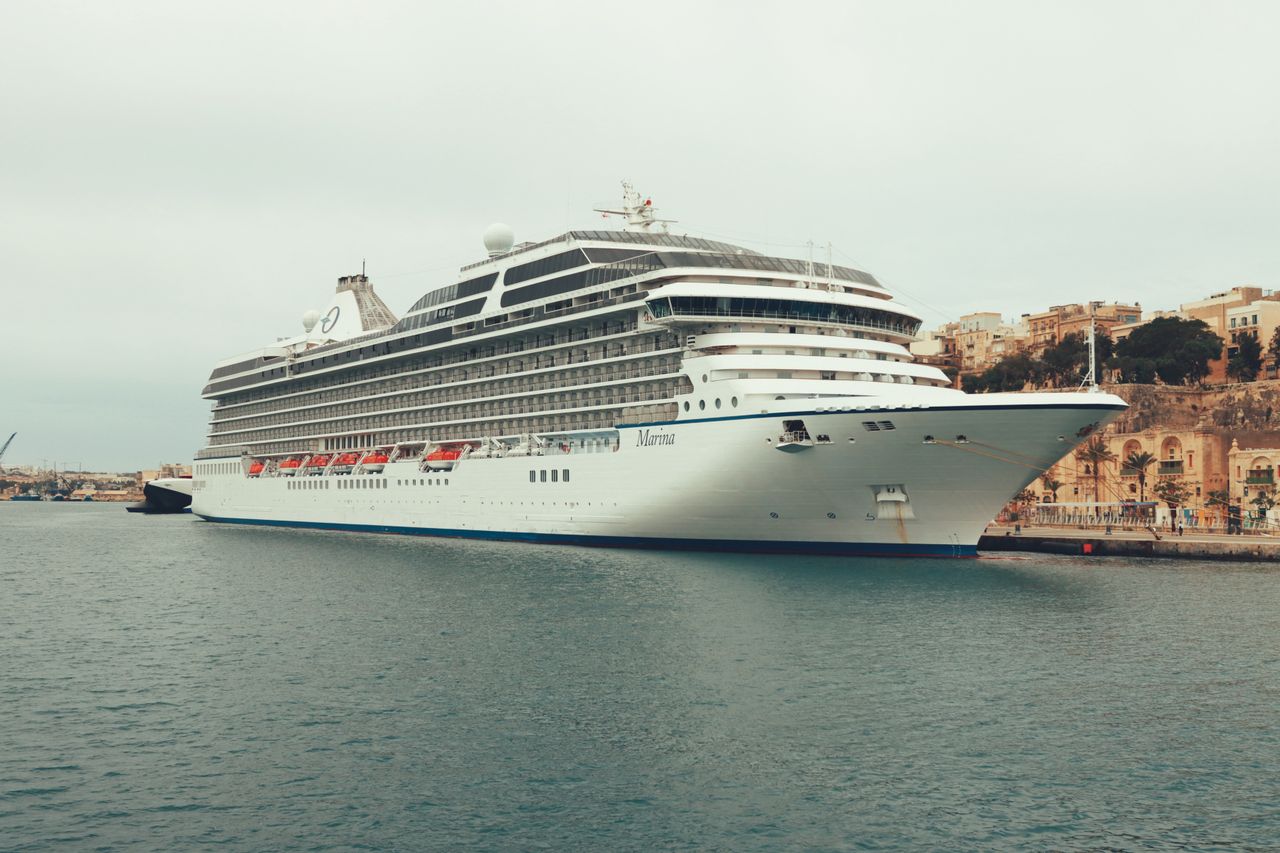
You've heard the yacht chef pitch: turquoise water, one wealthy family, tips that make your eyes water. You've heard the wilderness lodge pitch: silence, grizzly bears, a view no restaurant on land could ever offer. Cruise ship cooking is neither of those things, and that's exactly why it deserves its own conversation. It's not a boutique gig for one household — it's an industrial-scale culinary operation feeding thousands of people three, four, sometimes six times a day, with a rank structure closer to a military kitchen than a Michelin one, and a savings potential that quietly outperforms almost anything you'll find on land.
Roughly 37.2 million people took an ocean cruise in 2025, the highest number ever recorded, and CLIA's member lines expect to run 325 ships representing about 690,000 berths in 2026. Every one of those ships needs a galley crew that never stops. That's a genuinely enormous, chronically hiring corner of the hospitality industry that most chefs never seriously consider — mostly because nobody's explained how it actually works.
The numbers: what cruise ship chefs actually earn
Cruise pay is confusing because it's almost never quoted the way land-based hospitality pay is. There's no hourly rate, no overtime in the traditional sense, and the "salary" figure you see on a job board rarely tells you what you'll actually bank. Here's the real shape of it, pulled from cruise-industry recruiters and crew-pay trackers:
Commis Chef / Galley Assistant (entry-level): roughly $800–$1,300 USD per month
Cook / Chef de Partie: roughly $1,500–$2,200 per month, though some trackers put experienced Chef de Partie pay as high as $3,200–$4,600
Sous Chef: roughly $2,500–$3,500 per month
Chef de Cuisine / Executive Sous Chef: roughly $3,800–$5,200 per month
Executive Chef: roughly $5,000–$8,000 per month, with senior officers on major lines clearing $6,500 and up
One recruiter-turned-blogger who spent years as a Food & Beverage Director put it bluntly: cruise ship income is not comparable to a land-based salary of the same headline number, and that's the single most important thing to understand before you sign anything.
Here's why. Room and board are fully covered — cabin, food in the crew mess, laundry, medical care while aboard, and flights to and from your embarkation port are usually paid by the cruise line. With effectively zero living costs for the length of your contract, crew routinely report saving 70–80% of what they earn. A $2,000/month Chef de Partie salary with zero rent, zero grocery bills, and zero commute costs behaves very differently in your bank account than a $2,000/month salary on land.
For context on how that compares to shore-based options, see our salary-by-country breakdown and our deep dive on yacht chef pay — cruise sits in an interesting middle ground: lower headline pay than yacht work, but far more structure, far more job security, and a much clearer path upward.
Contracts: 6-9 months at sea, then you go home
This is the part that surprises people most. Cruise ship chefs aren't employees in the year-round sense — they're contracted for a fixed tour, typically 4 to 9 months, most commonly landing in the 6-8 month range, followed by an unpaid break of anywhere from a few weeks to a couple of months before the next contract starts. You are not paid during that break. You earn only while the ship is sailing.
This "on-off" rhythm is very different from a seasonal resort job where you might work one ski season and then pick up summer work elsewhere. On a cruise ship, once you're aboard, you're aboard — there's no popping home for a weekend, no calling in sick to see a doctor down the street. You commit to the full rotation, and in exchange you get intense, uninterrupted saving and a genuinely global travel footprint that changes every few weeks as the ship changes itinerary.
Working hours are regulated, not left to chance. Under the Maritime Labour Convention 2006 (MLC 2006) — ratified by 111 countries representing over 97% of world shipping tonnage — crew are legally entitled to a minimum of 10 hours' rest in any 24-hour period and 77 hours' rest in any 7-day period, with rest split into no more than two blocks, one of which must be at least 6 hours long. In practice, galley staff typically work 8 to 12 hours on a sea day, sometimes less in port, not counting meal breaks. It's hard, repetitive, standing-all-day work — but it is not the lawless free-for-all its reputation sometimes suggests, and the MLC gives you a real, internationally enforced document to point to if a ship is out of line.
Crew mess vs. guest galley: two very different worlds under one funnel
One of the biggest misconceptions about cruise kitchens is that they're one big room. They're not. A typical mid-to-large cruise ship runs two entirely separate food operations:
The guest galley is where the show happens — the main dining room, specialty restaurants, buffet lines, room service. This is where plating standards, menu cycles, and guest-facing pressure live. It's the closest thing to land-based fine dining you'll find on a ship, and it's where Chef de Partie, Sous Chef, and Executive Chef roles are concentrated.
The crew mess feeds the ship's own crew — anywhere from 700 to 2,000+ people depending on vessel size — and it runs on a completely different logic: high volume, fast turnover, cuisine built around the dozens of nationalities actually working the ship (crews are often drawn heavily from the Philippines, India, Indonesia, and Eastern Europe), and a much less theatrical, much more industrial pace. Cooking for crew mess is a real specialty in itself, and chefs who are good at high-volume, cost-controlled, culturally varied cooking are highly valued here — it's not a demotion, it's a different discipline.
Officers, by the way, typically eat in yet a third space — the officers' mess — usually with table service and a step up in presentation from the general crew mess, reflecting the ship's internal rank hierarchy in food form the same way it does everywhere else onboard.
The promotion ladder: how you actually move up
The cruise kitchen brigade is rigid and hierarchical almost by design — with thousands of meals to turn out on a fixed schedule, ambiguity is the enemy. The typical climb looks like this:
Galley Utility / Kitchen Assistant – dishwashing, prep support, cleaning, basic food safety. Often the entry point for someone with hospitality experience but limited formal culinary training.
Commis Chef – first real cooking role, working a station under supervision.
Cook / Chef de Partie – running your own station (grill, sauce, pastry, garde manger), the workhorse rank of any galley.
Sous Chef – supervising multiple stations, managing junior chefs, stepping in for service oversight.
Chef de Cuisine / Executive Sous Chef – running a specific galley (specialty restaurant, crew mess, or a deck) with real budget and staffing responsibility.
Executive Chef – full culinary command of the ship: menu design across every venue, food cost, hygiene compliance, and managing a brigade that can run into the hundreds on the largest ships.
Movement through these ranks is genuinely merit- and tenure-based, and cruise lines like Royal Caribbean, Carnival, Princess, Norwegian, and Holland America all run structured internal training programs (Princess, for example, historically ran an 8-week Second Commis training pipeline in both hot kitchen and pastry) specifically because promoting from within is cheaper and more reliable than constantly recruiting externally. If you're chasing a title like Executive Chef or Food & Beverage Director, cruise lines are one of the more transparent, checklist-driven paths to get there compared with the more relationship-driven promotion tracks on private yachts.
What you need before you can even apply
Unlike a land-based kitchen job, you can't just show up with a resume. Every single person working on a cruise ship — chef or not — needs:
A valid passport (this alone disqualifies more applicants than anything else — don't submit an application until it's sorted)
STCW Basic Safety Training — the internationally recognized certificate covering firefighting, personal survival techniques, first aid, and social responsibility at sea; valid for five years before refresher training is required
A seafarer's medical certificate
A clean background check
For culinary roles specifically, most cruise lines also want a recognized culinary qualification (a diploma or equivalent, sometimes paired with a Ship's Cook Certificate) and a minimum of roughly two years of hotel, restaurant, or comparable kitchen experience. None of this requires a maritime degree — but it does require sequencing: STCW and the medical exam typically happen after you're shortlisted, not before, so don't waste money on training before you have real interest from a line or manning agency.
Related reading: our Chef Work Visas Explained guide covers land-based work visa mechanics, but note that cruise contracts work differently — you're typically employed under a Seafarer's Employment Agreement rather than a conventional destination-country work visa, since your legal "workplace" is the ship's flag state, not the ports it visits.
Cruise vs. yacht vs. land: how the trade-offs actually stack up
Contract length. Cruise ships run you 4-9 months at a stretch, then cut you loose for an unpaid break before the next one. Yacht contracts are often rotational (two months on, two off, for example) or year-round depending on the boat. Land-based resort work tends to be seasonal or year-round, with far more flexibility to walk away mid-contract if you need to.
Pay structure. Cruise pay is fixed and rank-based — you know exactly what a Sous Chef or Executive Chef makes before you sign. Yacht pay is a base salary plus what's often very generous tip pooling from wealthy guests, so your actual take-home swings a lot more. Land-based pay is a wage plus tips, and varies enormously by country and property.
Team size and structure. A cruise galley is a large brigade with a rigid, almost military hierarchy — everyone has a clearly defined rank and station. A yacht kitchen is tiny; on many boats you're the only chef aboard, cooking solo for the owner and guests. Land-based resorts sit in between, with a mid-size brigade and a more familiar restaurant-style structure.
Promotion path. This is where cruise ships genuinely stand out — the ladder from Commis Chef to Executive Chef is highly structured and merit-based, with defined training programs at major lines. Yacht promotion is much more informal and relationship-driven; there's no HR department moving you up a ladder, just word of mouth and trust built with an owner or captain. Land-based promotion varies property to property.
Living costs. Both cruise ships and yachts cover your room and board fully, which is a huge part of why both can be excellent for saving money fast. Land-based resort jobs sometimes cover housing and meals and sometimes don't — worth checking our seasonal chef strategy piece for how that affects real take-home savings.
Who each path suits best. Cruise ships are the right call for chefs who want structure, a clear rank progression, and serious big-brigade experience on their CV. Yachts suit chefs who want autonomy, creative control, and higher per-guest earning potential. Land-based resort work suits chefs building a more conventional CV toward an executive chef role on shore.
If you've read our yacht chef guide, you'll notice cruise work is almost the inverse experience: instead of cooking for four guests with total creative freedom, you're cooking for thousands within a tightly scripted menu cycle — but you get something yachts rarely offer, which is a real, visible, well-worn ladder to climb.
Is it worth it?
If you want autonomy, cruise ships will frustrate you — menus are centrally planned, portions are costed to the gram, and you will spend far more time on a single station than a private kitchen. But if you want to bank serious savings fast, see the world without booking a single flight, build genuinely transferable high-volume kitchen skills, and climb a ladder with clearly marked rungs, it's one of the most underrated paths in international hospitality. Thirty-seven million passengers a year need feeding. Somebody has to run that galley — it might as well be you.
Looking for your next role? Browse current chef jobs abroad, including openings on private yachts, at ski resorts, and in international hotel kitchens.
Never Miss a Chef Opportunity
Get the newest international chef jobs and travel career guides delivered weekly.
No spam. Unsubscribe anytime.