
The Seasonal Chef Strategy: How to Make $100K+ Working 8 Months in 2026
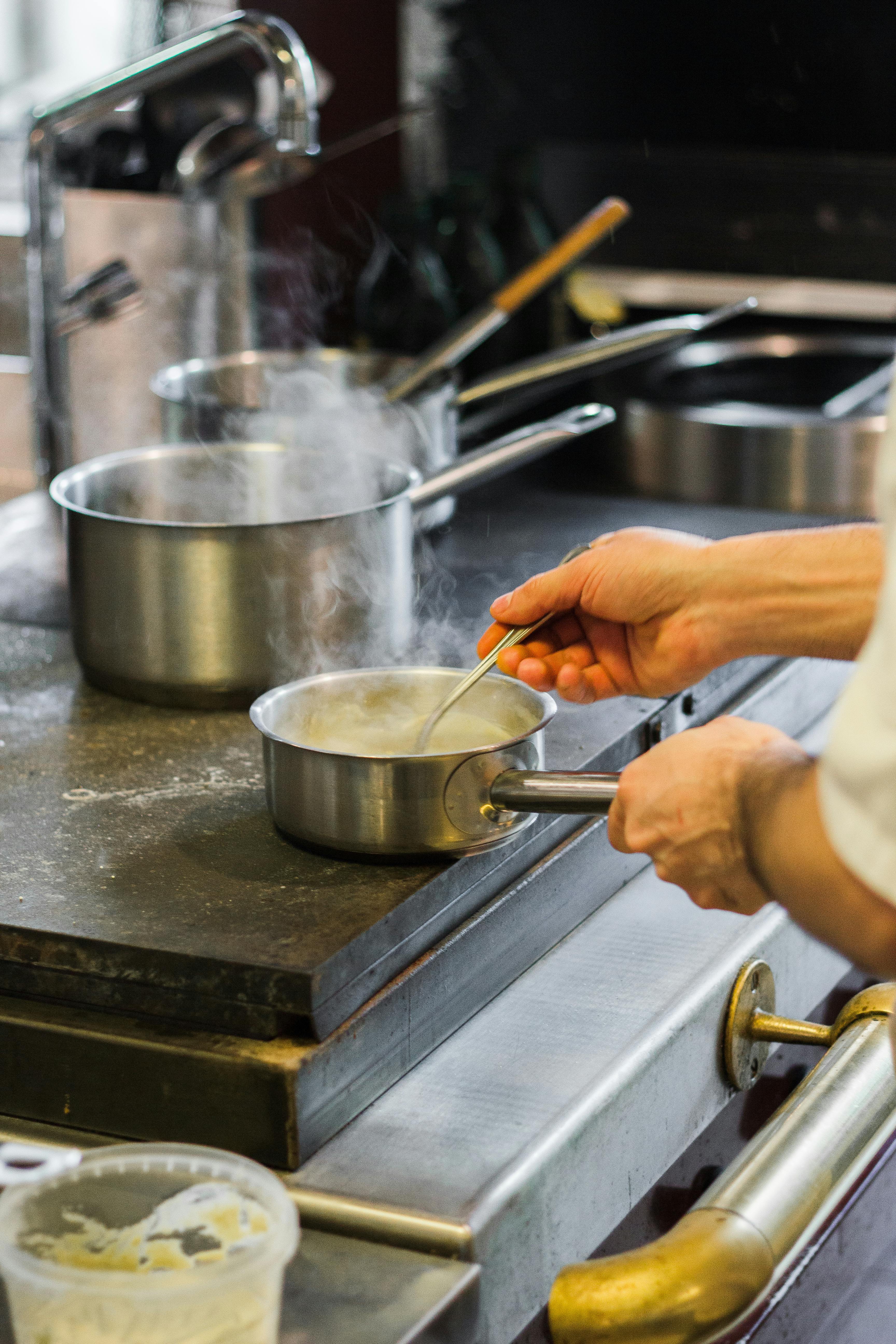
The Seasonal Chef Strategy: How to Make $100K+ Working 8 Months in 2026
Ski resorts, private yachts, coastal estates — the smartest chefs aren't working year-round. Here's how they're building wealth and a life most cooks only dream about.
Picture this: it's January. You're plating a six-course tasting menu at a ski-in, ski-out lodge in Whistler. Your accommodation is free. Your meals are covered. A full season pass is sitting in your jacket pocket. And when the snow melts in April, you'll have $50,000 in the bank — then spend the summer cooking on a private yacht in the Adriatic.
This is seasonal chef life in 2026. And the chefs who've figured it out aren't the ones grinding year-round for a modest salary at a city restaurant — they're working smarter, stacking seasons, and building the kind of savings and CV that opens doors most chefs never even see.
This guide is the honest, complete picture: the real money, the real trade-offs, where the jobs actually are right now, and exactly how to get hired before someone else does.
Why 2026 Is the Best Year in a Decade to Go Seasonal
The hospitality industry has fundamentally restructured since 2020. Luxury travel is at record highs — affluent travellers are spending more on experiences than ever before, and upscale resorts, private estates, and expedition yachts are struggling to find qualified culinary talent to meet that demand.
The result: compensation packages have improved significantly. Ski resorts in Aspen, Whistler, and the Swiss Alps are offering signing bonuses and end-of-season retention payments. Private yacht operators are competing for a limited pool of qualified yacht chefs. Caribbean island resorts that once offered basic packages now advertise flights, fully furnished accommodation, and staff dining privileges as baseline.
Meanwhile, the year-round restaurant world is still dealing with tight margins, high rent, and the same salary ceiling it's had for years. The gap between what a skilled chef can earn seasonally versus traditionally has never been wider.
"I spent six years working year-round in London restaurant kitchens. I made the switch to seasonal in 2023 and saved more in my first two seasons than I had in the previous six years combined. I genuinely don't know why I waited so long."
— Chef James, now in his third year stacking seasons between Verbier and the Balearic Islands
The Real Numbers: What Seasonal Positions Pay in 2026
Let's get specific. Total compensation — not just base salary — is what makes seasonal positions remarkable. When you factor in free housing, meals, passes, and bonuses, the numbers shift dramatically.
Ski Resort Chef — North America
Caribbean Island Resort Chef
Private Yacht Chef — Med / Caribbean
Alaska Fishing Lodge Chef
The Season Stack: How the Smart Money Works
One seasonal position is good. Two per year — opposite seasons in different hemispheres or climates — is where chefs start building genuine wealth. The strategy is simple: eliminate living expenses during work periods, bank everything, take time off between seasons without blowing it all.
Where the Jobs Are Right Now
This is the current 2026 landscape. Some markets have heated up considerably; others are newly emerging.
Winter Season — December through April
- Aspen & Vail, Colorado
- Whistler, BC — high demand in 2026
- Jackson Hole, Wyoming
- Park City & Deer Valley, Utah
- Banff & Lake Louise, Alberta
- Verbier & Zermatt, Switzerland
- Courchevel & Méribel, France
- St. Anton, Austria
- Val Gardena, Italy (growing)
- Niseko, Japan — strong demand
- Turks & Caicos
- St. Barts & Anguilla
- British Virgin Islands
- Antigua & Barbuda
- Private island resorts
Summer Season — June through September
- Nantucket & Martha's Vineyard
- The Hamptons, New York
- Maine coast estates
- San Juan Islands, WA
- Tofino, BC (emerging)
- Greek islands — Mykonos, Santorini
- Amalfi Coast & Sicilian estates
- South of France — private villas
- Mallorca & Ibiza, Spain
- Croatian coast (growing fast)
- Alaska fishing & wilderness lodges
- Patagonia eco lodges (Dec–Mar)
- Yellowstone & Grand Teton lodges
- Faroe Islands retreats (new)
- Scottish Highland estates
- Mediterranean (summer season)
- Caribbean (winter season)
- Pacific crossing expeditions
- Superyachts 30m–80m+
- Charter vs. private ownership
The Financial Reality: Side-by-Side Comparison
Numbers don't lie. Here's an honest comparison of what a skilled chef with 3–5 years' experience actually nets over 12 months in 2026, depending on their path.
Over three years: the traditional path saves roughly $69,000. The seasonal stack saves roughly $288,000. That's the deposit on a property, the capital to open your own place, or the foundation of a life most chefs spend their whole career wishing for.
What They Don't Tell You: The Honest Realities
You will work every major holiday. Christmas service, New Year's Eve, Thanksgiving, Easter — you are in the kitchen when the rest of the world is at the table. If family gatherings are non-negotiable for you, factor this in.
Staff housing means shared space. Most seasonal positions put you in staff accommodation with other team members. Small rooms, shared bathrooms, and thin walls. If you're introverted or value personal space highly, this is the hardest part of the lifestyle.
60–70 hour weeks during peak periods are standard. Some remote lodges run 14-day-on, 2-day-off schedules. The money is excellent; the grind is real. Your fitness and mental recovery matter.
Remote means remote. Alaska fishing lodges, Highland estates, Pacific island resorts — limited cell signal, no city, no nightlife. Some chefs thrive. Others last six weeks.
Hiring happens months before season opens. By the time most people think about a winter job, the premium resorts have already filled their teams. The window is September–October for winter, January–March for summer.
"I did a winter in a small ski chalet in the French Alps. Shared a room with the pastry chef, worked every holiday, had maybe one day off a week. I also saved £28,000 in five months, skied almost every day before service, and made friendships I still have. It's not easy. But nothing worthwhile ever is."
— Chef Sophie, now in her fourth seasonal year
How to Actually Get Hired in 2026
The market for premium seasonal positions is competitive. The chefs who land the best roles aren't necessarily the most technically skilled — they're the most prepared.
Timing is everything
- September – October: Apply for winter ski season positions (Dec–Apr openings). This is when Aspen, Whistler, and Alpine resorts are actively interviewing.
- January – March: Apply for summer coastal and Mediterranean positions. Charter yachts, island resorts, and estate positions for June onwards.
- April – May: Alaska and remote wilderness lodges hire later than most. Still competitive but a slightly longer window.
What your CV needs to say
- High-volume experience. Seasonal kitchens need chefs who've worked 200+ covers on a Saturday night without losing composure. State it explicitly.
- Dietary fluency. Gluten-free, vegan, allergen protocols, keto — resort guests expect seamless accommodation. Operators are screening for this.
- Breakfast service experience. Many seasonal properties run morning service that fine dining chefs have never touched. It's a differentiator.
- Certifications. Food Handler, ServSafe, STCW Basic Safety (for yacht roles) and allergen training all matter. Get them before you apply.
- A portfolio or references from seasonal work. Even one previous seasonal placement signals you understand the lifestyle and can handle it.
Private and charter yacht positions are among the highest-paid seasonal roles available — but they require the STCW Basic Safety Training certificate as a non-negotiable baseline. It's a 5-day course available in most major coastal cities. Do it before you start applying. Without it, you won't get past the first screening call for any reputable vessel.
Interview questions they'll actually ask
- "Can you work every holiday without exception?" — The answer is yes, or you don't get the role.
- "How do you handle working closely with the same small team 24/7?" — They're screening for emotional intelligence and drama risk.
- "Describe a time you produced quality food with limited or delayed supplies." — Remote kitchens get one delivery a week. Improvisation is essential.
- "How do you handle isolation?" — Be honest. Operators have seen chefs quit in week three of a 20-week contract. They'd rather know upfront.
Starting Out: The Safest Entry Points
If this is your first seasonal role and you're not sure how you'll handle the lifestyle, start with a structure that supports you.
National Park lodges (US and Canada) are the most beginner-friendly entry point. Companies like Xanterra, Delaware North, and Aramark operate lodges inside parks like Yellowstone, Yosemite, Banff, and Glacier. They hire in volume, offer genuine training for people new to seasonal work, and put you in beautiful environments with built-in community. Salary runs $3,200–$4,500 per month with housing included. The trade-off: it's not the highest pay, and park lodges aren't luxury. But the experience gets you the seasonal credit you need to apply upward.
Boutique ski chalets in Europe (particularly France, Switzerland, and Austria) are another strong entry point. Smaller operations — 10–20 guests — mean you're often cooking solo or with one other person, which builds confidence and CV range fast. Catered chalet companies like Skiworld hire dozens of chefs each season and are experienced in onboarding people new to the lifestyle.
"I started at a national park lodge in the Rockies with two years of line cook experience. No one there had done seasonal before either. I saved $14,000 in a summer, used that position to get hired at a much nicer ski resort the following winter. It's a ramp, not a ceiling."
— Chef Ryan, now three seasons in
Is Seasonal Chef Life Right for You?
This lifestyle suits a specific kind of person. Be honest with yourself before committing.
- You can handle intense, immersive work periods followed by months of genuine freedom — not just long weekends.
- You're comfortable being away from your home city, your friends, and your routines for 4–6 months at a time.
- You actually like the environments you'd be working in — mountains, coastlines, remote wilderness. If skiing bores you, don't apply to ski resorts.
- You can live in close quarters with colleagues without it becoming a problem.
- You're saving-focused, not spending-focused. The money is only transformative if you're banking it, not burning it in your off months.
If most of those fit — this could be the best career decision you make in 2026. The demand is there, the compensation has improved, and the window to establish yourself in seasonal hospitality is as open as it's been in years.
The question was never whether these opportunities are real. They are. The question is whether you're going to be the chef who acts on them, or the one who reads about them and goes back to the same kitchen.
Browse Seasonal Chef Positions — Posted June 2026
Ski resorts, private yachts, island estates, coastal lodges — new roles added weekly.
View Open PositionsNever Miss a Chef Opportunity
Get the newest international chef jobs and travel career guides delivered weekly.
No spam. Unsubscribe anytime.