
Yacht Chef Life: What Actually Happens Below Deck
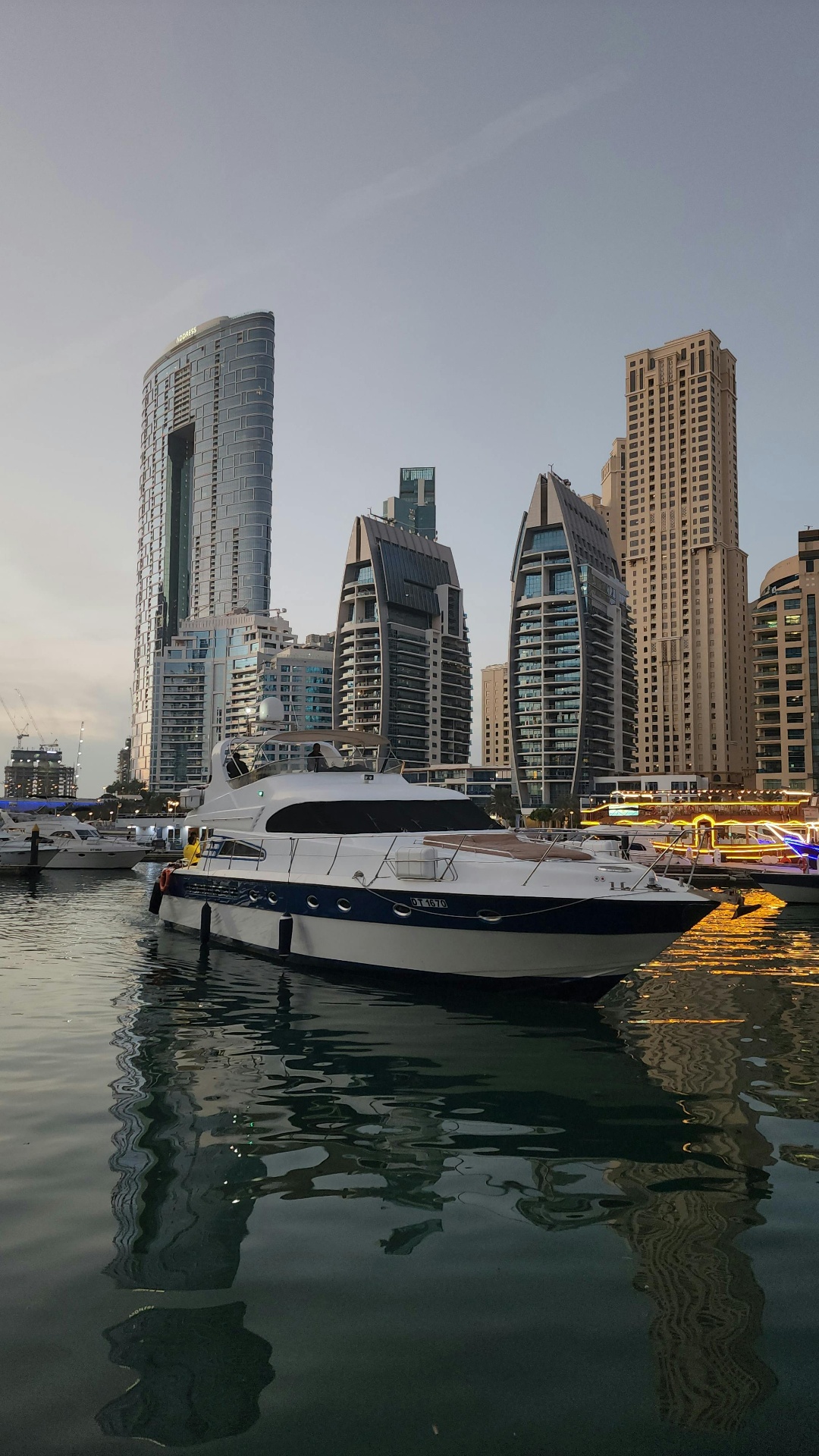
"Become a yacht chef" is the most-searched career pivot in hospitality. The Instagram version — Capri sunsets, fresh-caught tuna, a personal stateroom — is real. So is the version nobody posts: 19-hour service days, a galley the size of a parking space, and the closest port being eight hours away when the owner decides he wants sushi.
This is the honest version, written from the kitchens of charter and private yachts in the Med, the Caribbean and the Pacific.
Two very different jobs: private vs. charter
A private yacht cooks for one family and their guests. Schedules are predictable-ish, menus stabilise around the owner's preferences, and the chef often gets weeks of downtime when the boat is in port without owners aboard.
A charter yacht is a hotel that floats. Guests change weekly, every preference sheet is different, and the chef is judged on every plate by guests paying €300,000+ for the week. Charter pays significantly more but burns chefs out faster.
The realistic schedule
During a charter week: breakfast service, mid-morning canapés, lunch (often plated on a beach or at anchor), afternoon snack, sundowner canapés, dinner, and late-night cheese or dessert. Sleep is in the cabin between dinner clean-down and breakfast prep. On the upside, between charters there are genuinely empty days for laundry, gym, beach and rest.
The galley
Even on a 70m yacht the galley is small — closer to a residential kitchen than a hotel brigade. You are the entire kitchen: prep, hot line, pastry, plating, dishwash supervision, provisioning, allergens, and the only person responsible for every plate. Strong organisation is more important than star credentials.
Provisioning is the real test
Knowing where to source halibut in Bonifacio, who delivers truffles to the dock in Antibes, and which Caribbean island has decent dairy is the difference between an average yacht chef and a great one. Most chefs build a personal Rolodex of suppliers in their first two seasons that becomes their most valuable career asset.
Money
Entry-level (sole chef on a 30–40m boat): USD 3,500–5,000/month. Mid-career (charter boats 40–60m): USD 6,000–9,000 plus tips, with tips on a busy charter season adding USD 15,000–40,000. Senior head chefs on large private yachts: USD 9,000–14,000/month, with much of it saveable because food and housing are covered.
Getting your first job
Two paths work consistently: (1) get your STCW Basic Safety Training certification (5 days, ~£600), then walk the docks in Antibes or Palma in late March/early April when crew agencies and captains are hiring for the Med season; or (2) apply through specialist yacht-chef recruiters with a strong one-page CV, a portfolio of plated photos, and at least one solid land-based reference.
Is it worth it?
For three years, almost always yes. The savings, the travel and the technical autonomy compress a decade of land-based experience into 36 months. For ten years — only for the chefs who genuinely love being at sea. Build the savings, build the network, and you'll always have the option of stepping back ashore with a CV nobody can match.
Never Miss a Chef Opportunity
Get the newest international chef jobs and travel career guides delivered weekly.
No spam. Unsubscribe anytime.