
What Is a Stage? The Chef’s Guide to Culinary Apprenticeships Abroad
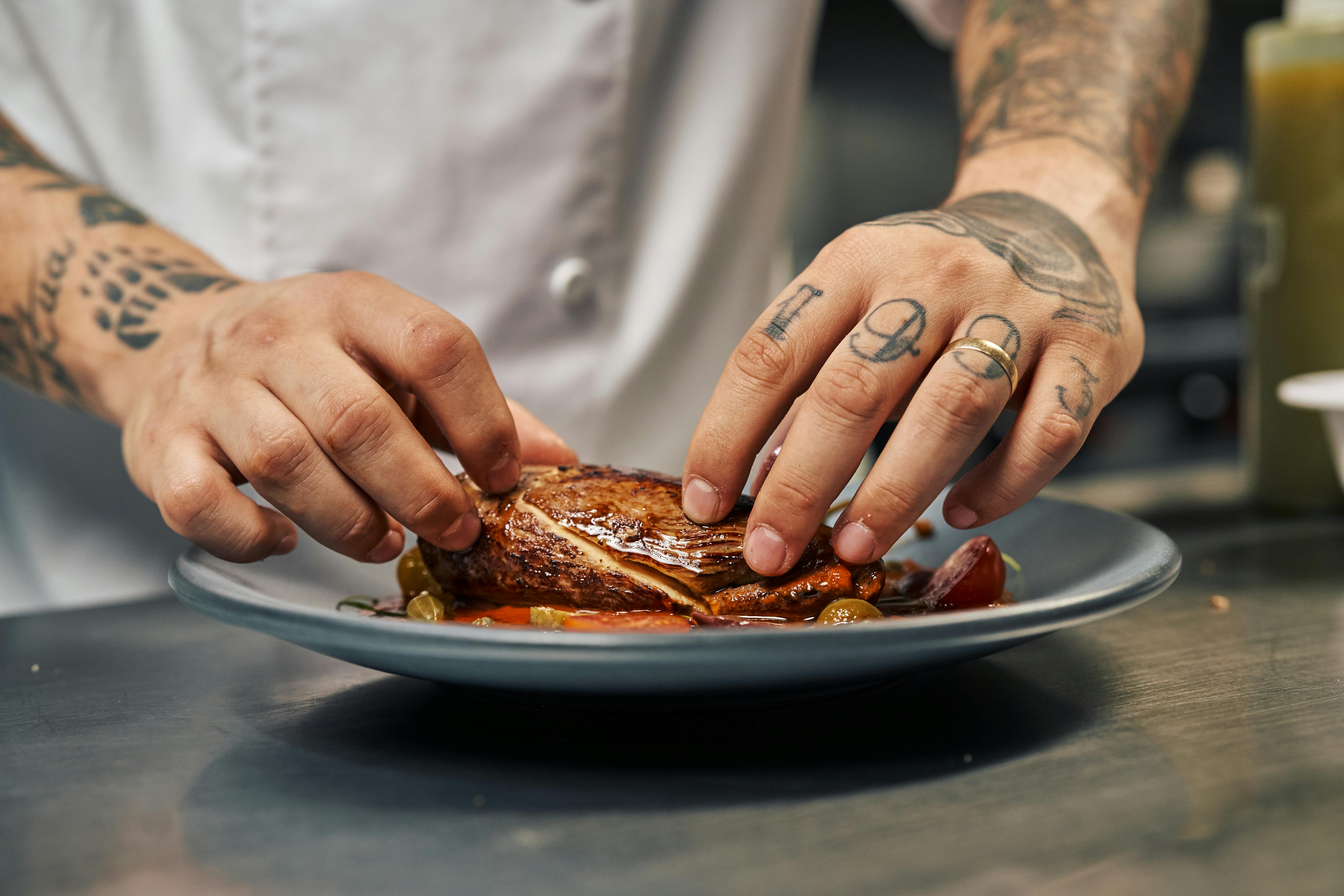
What is a Stage?
The Culinary Tradition That Can Change Your Career Forever
October 16, 2025 · 8 min read
You’ve probably heard chefs say things like:
“ I staged in Copenhagen last summer.”
“ She did a stage at a Michelin restaurant in Tokyo.”
“ He spent three months staging through Europe.”
And if you're new to the culinary world, you may have wondered:
What exactly is a stage?
No — it has nothing to do with theatre.
In the world of professional cooking, a stage (pronounced “stahj”) is one of the oldest and most respected traditions in the industry. It’s part apprenticeship, part working interview, and part adventure.
For many chefs, staging becomes the moment everything changes.
At ChefJobs Abroad , we’ve seen stages lead to full-time jobs in Michelin-starred kitchens, long-term visas abroad, lifelong friendships, and careers chefs never imagined possible.
So… What Is a Stage?
A stage comes from the French word stagiaire, meaning trainee or apprentice.
In simple terms:
A stage is when a chef works temporarily in a professional kitchen to learn, gain experience, and prove themselves.
Sometimes it lasts:
- A single dinner service
- A weekend
- A few weeks
- Or even several months
You work alongside the real brigade, following their systems, pace, standards, and culture.
You’re not shadowing from the sidelines.
You’re in it.
The pressure. The prep. The rush. The burns. The excitement. The learning.
And often, the experience is completely different from culinary school.
Why Chefs Stage 🌍
From the outside, working unpaid can sound strange.
But in the culinary world, staging has long been viewed as a way to accelerate growth faster than almost anything else.
Especially internationally.
A stage can take you from:
- A small hometown kitchen
- To a fine-dining restaurant in Spain
- A sushi counter in Japan
- A luxury resort in the Maldives
- Or a Michelin kitchen in Copenhagen
All within a few emails and a plane ticket.
For adventurous chefs, it becomes more than work.
It becomes travel, education, networking, and self-discovery all at once.
What You Actually Gain From a Stage
Learn Techniques You Can’t Learn Online
Watching videos is one thing.
Working beside elite chefs during real service is another universe entirely.
You’ll see:
- High-level plating
- Speed and organization
- Advanced prep systems
- Ingredient handling
- Leadership under pressure
- How world-class kitchens actually operate
You absorb details no textbook can teach.
Build Global Connections
The culinary industry is surprisingly small.
The chef you help today in Amsterdam may recommend you for a role in Dubai next year.
One good stage can open doors across entire countries.
Many chefs land permanent positions directly from staging opportunities.
Discover What Kind of Chef You Want to Become
Not every chef belongs in fine dining.
Not every chef enjoys hotel kitchens.
And not every chef wants 14-hour tasting-menu services.
Staging lets you test different environments before committing long-term.
You may discover you thrive in:
- Open-fire cooking
- Farm-to-table restaurants
- Luxury resorts
- High-volume kitchens
- Boutique bakeries
- Yacht or private chef work
- Michelin fine dining
International Stages: The Adventure Side ✈️
This is where things get exciting.
Many chefs use stages as a gateway into living abroad.
Instead of committing immediately to a long contract in another country, staging allows you to:
- Experience the culture first
- Understand the kitchen environment
- Meet local chefs
- Build confidence internationally
- Decide if you want to stay longer
Some chefs stage their way across entire regions:
- France → Spain → Italy
- Thailand → Singapore → Japan
- Australia → New Zealand → Bali
Every kitchen teaches something different.
Every country changes your perspective.
And the stories you collect along the way often become as valuable as the cooking itself.
How to Land a Stage
1. Research Restaurants Carefully
Choose kitchens that genuinely inspire you.
Study:
- Their food
- Their philosophy
- Their chefs
- Their culture
2. Send a Short, Professional Message
Keep it simple:
- Who you are
- Your experience
- Why you admire their kitchen
- What you hope to learn
- Your availability
3. Stay Flexible
The best kitchens are busy.
Being adaptable with dates and hours helps massively.
4. Arrive Prepared
Bring:
- Knives
- Apron
- Sharpies
- Notebook
- Clean uniform
- Good attitude
5. Follow Up Afterward
Even if the stage ends after one shift, send a thank-you message.
Professionalism gets remembered.
The Reality Nobody Talks About
Staging isn’t glamorous every day.
- Long hours
- Physical exhaustion
- Intense pressure
- Language barriers abroad
- Tight budgets
- Stressful services
But there’s also something addictive about it.
The feeling of walking into a completely unfamiliar kitchen in another country… then slowly earning your place through hard work.
That experience builds confidence fast.
Final Thoughts
For chefs who dream bigger than their hometown, staging can become the first real step toward an international culinary life.
It’s how many chefs:
- Enter Michelin kitchens
- Travel the world
- Build elite resumes
- Learn faster
- Find mentors
- Discover new cultures
- Create opportunities that would’ve been impossible otherwise
At ChefJobs Abroad , we believe cooking can be more than just a job.
It can be a passport to the world.
And sometimes, all it takes is one stage to begin the journey.
Never Miss a Chef Opportunity
Get the newest international chef jobs and travel career guides delivered weekly.
No spam. Unsubscribe anytime.