
Ski Season Cooking: Why Winter Resorts Are a Chef’s Paradise
May 25, 2025 · 12 min read
Ski Season Cooking: Why Winter Resorts Are a Chef’s Paradise
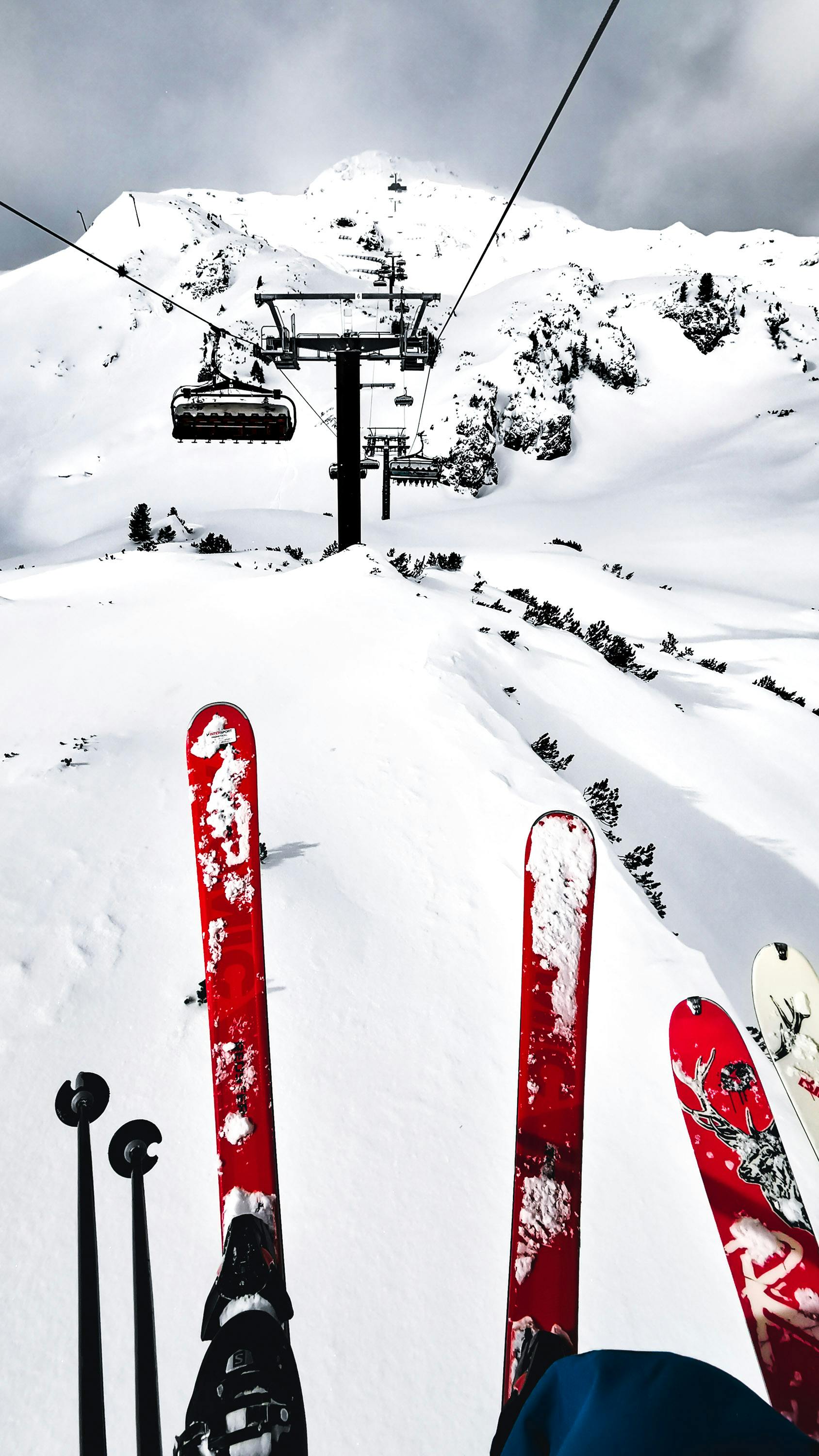
What if your kitchen job came with mountain sunsets, powder days, staff housing, and world-class skiing after your shift?
There’s a certain kind of chef who eventually gets tired of the same routine.
Same kitchen. Same commute. Same four walls.
Then one winter, they take a seasonal job in the mountains — and suddenly their “normal” becomes snow-covered peaks, après-shift beers beside a fireplace, and squeezing in powder runs before dinner service.
Welcome to the world of ski season cooking.
For thousands of chefs every year, winter resorts become more than just workplaces. They become temporary homes, adventure hubs, and some of the most unforgettable chapters of their lives.
The Dream Is Actually Real
Yes, the stories are true.
There are chefs in Whistler finishing breakfast service and snowboarding by noon. There are line cooks in the French Alps skiing beneath sunsets after work. There are sous chefs in Japan spending their days off in some of the deepest powder snow on earth.
Winter resorts across Canada, Europe, Japan, New Zealand, and the United States hire massive seasonal teams every year. Hotels, chalets, mountain restaurants, luxury lodges, pubs, cafeterias, and fine-dining spots all need cooks — lots of them.
Typical Resort Job Perks
- Staff accommodation
- Free or discounted lift passes
- Employee meals
- Ski and snowboard rentals
- Staff parties & events
- International coworkers
- Unreal mountain scenery
What Working in a Resort Kitchen Is Actually Like
The reality is a mix of chaos, adrenaline, exhaustion, and some of the best memories you’ll ever make.
Mountain kitchens move fast.
Breakfast service can mean feeding 200 hungry skiers before 9 AM. Lunches hit hard because everyone arrives at once after the morning slopes. Dinner service can swing from cozy lodge vibes to luxury tasting menus depending on the resort.
And unlike city restaurants, weather actually changes your day.
- Huge snowfall? The resort gets slammed.
- Storm day? Guests stay inside all afternoon.
- Bluebird powder conditions? Half the staff wants to catch the last chairlift after prep.
Resort kitchens are also incredibly international. It’s normal to work beside chefs from Australia, Argentina, France, Germany, Japan, the UK, and Canada all in the same kitchen.
“Most chefs describe resort life less like a job and more like summer camp for adults with knives.”
The Trade-Off: Intense Seasons
Now for the honest part.
Ski season jobs are not easy.
Christmas and holiday periods can be relentless. Six-day work weeks are common. Ten-to-twelve-hour shifts happen regularly. Staff housing is often shared and privacy becomes a luxury.
You’ll be tired.
Very tired.
But most chefs barely care while they’re there — because their days off involve powder runs, mountain towns, outdoor hot tubs, and scenery most people only see on vacation.
The Financial Side: Is It Worth It?
Resort wages can vary, but the lifestyle economics are completely different from city restaurants.
In many ski towns, rent alone is brutally expensive. Having accommodation included is a massive advantage.
Average Seasonal Pay
Line Cooks: $2,500–$4,500/month
Chef de Parties: $4,000–$5,500/month
Sous Chefs: $5,000–$7,000+/month
Luxury chalets in places like Verbier, Aspen, Niseko, and Courchevel often pay especially well for experienced chefs.
Best Places in the World for Resort Chefs
Whistler, Canada
One of North America’s most famous ski towns with a massive hospitality scene and international workforce.
The French Alps
From casual pubs to Michelin-level mountain dining, the French Alps offer some of Europe’s best resort opportunities.
Austria
Beautiful alpine towns, strong kitchen culture, and excellent mountain lifestyle balance.
Japan
Niseko and Hakuba continue exploding in popularity thanks to legendary powder snow and growing international tourism.
How to Actually Get Hired
One of the biggest mistakes chefs make is waiting too long to apply.
Many winter resorts begin hiring as early as June or July for December starts.
Most employers are looking for:
- 1–3+ years kitchen experience
- Ability to handle pressure
- Flexibility with schedules
- Positive team attitude
- Working holiday or visa eligibility
The Lifestyle Addiction
Here’s the part nobody warns you about:
Resort life can become addictive.
Many chefs go for “just one season” and suddenly realize they’ve spent years bouncing between winters in the mountains and summers near beaches somewhere else.
You build intense friendships quickly. Your off-days feel cinematic. Even grabbing coffee before the gondola opens somehow feels different.
And years later, most chefs don’t remember the stress first.
They remember the powder days.
The mountain sunsets.
The staff parties.
The feeling that life was actually happening around them instead of just passing by through a kitchen window.
Ready for Your Next Season?
Applications for the 2025–26 winter season are already opening.
Might be time to dust off both your resume — and your ski boots.
Never Miss a Chef Opportunity
Get the newest international chef jobs and travel career guides delivered weekly.
No spam. Unsubscribe anytime.