
Remote Destination Chef Careers: From Antarctic Bases to Superyachts
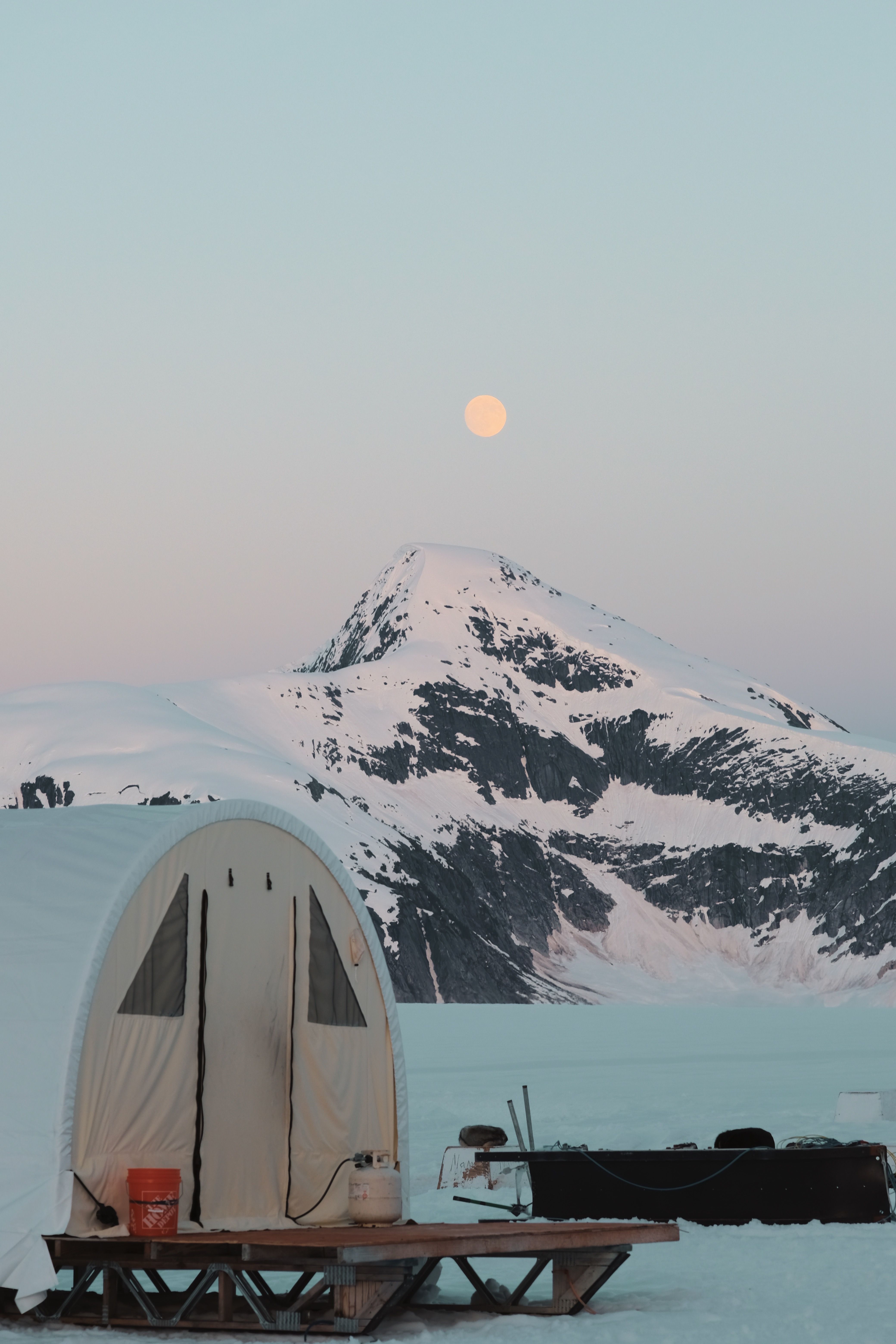
Remote Destination Chef Careers: From Antarctic Bases to Superyachts
Remote destination culinary work sits at the intersection of hospitality, adventure, and endurance. The chefs who thrive in these roles tend to share a specific combination of traits: serious technical skill, genuine psychological resilience, and an ability to cook to a high standard when everything around them is conspiring against it — rough seas, frozen provisions, erratic supply chains, or weeks with no sunlight.
The financial logic is compelling. Most of these roles include full accommodation, meals, and travel. A chef working a city restaurant job earning $55,000 may save $15,000 after living costs. The same chef on a remote contract earning $60,000 may save all of it. Over two or three years, that gap is life-changing.
Below is a breakdown of each major remote chef category — what it actually pays in 2025, what it demands, and how to get hired.
Superyacht Chefs: The Highest-Paying Route
Superyacht chefs are consistently the highest-paid culinary professionals outside of Michelin-starred head chef positions — and unlike those roles, your accommodation, food, travel, and health insurance are all included. 2026 salary benchmarks put experienced chefs on 100ft charter yachts at $72,000–$96,000 in base salary alone, with tips adding $10,000–$30,000 in a busy season. At the upper end, chefs on 150ft+ superyachts can clear $180,000 total compensation.
The work is demanding. You're cooking restaurant-quality food for ultra-high-net-worth guests — often with dietary restrictions that are non-negotiable, menus that change on a whim, and a galley the size of a small bathroom. During active charters you can expect 14–16 hour days. Between charters you're provisioning in foreign ports, managing inventory, and keeping the galley guest-ready at all times.
The Flying Fish salary guide notes one underrated benefit: because accommodation and all meals are covered, crew can save a very high proportion of their base salary — but warns that lifestyle creep (spontaneous trips ashore, shopping in Monaco) can erode savings quickly. Discipline is as important as culinary skill.
You Must Have
- STCW Basic Safety Training (mandatory — non-negotiable)
- ENG1 medical certificate
- Ship's Cook Certificate or equivalent
- Food Safety Level 2 (Highfield / City & Guilds)
- Fine dining experience across multiple cuisines
- Dietary restriction expertise (vegan, kosher, halal, FODMAP)
Career Progression
- Entry: Galley cook on yachts under 40m → $3,500–$5,000/mo
- Mid: Chef on 50–80m → $6,000–$9,000/mo
- Senior: Head Chef on 80m+ → $9,000–$15,000/mo
- Top tier: 150ft+ superyacht chef → $12k–$15k+ base
Where to find yacht chef jobs: Bluewater Crew, Yachtly Crew, Camper & Nicholsons, and the Fort Lauderdale, Monaco, and Antibes boat shows (which have dedicated crew recruitment events). Also browse the yacht chef listings on ChefJobs Abroad.
Antarctic Research Station Chef: Maximum Savings, Maximum Isolation
Antarctic positions offer something few culinary jobs can match: the ability to save almost your entire salary. There is simply nothing to spend money on at the South Pole. All accommodation, meals, clothing, gear, and medical care are provided. Current ZipRecruiter data puts average USAP McMurdo salaries at around $59,800/year, with ranges of $44,000–$84,000 depending on role seniority and contract type.
Your actual job is about far more than cooking. In a station environment, the chef is also a morale officer. Feeding 20–150 researchers and support staff — through months of polar darkness, confined quarters, and zero access to the outside world — is as much a psychological mission as a culinary one. The Polar Guidebook's careers overview notes that the screening process (including psychological evaluation and comprehensive medical and dental clearance) is extremely thorough for exactly this reason.
The three U.S. stations — McMurdo, South Pole, and Palmer — are run under the National Science Foundation's U.S. Antarctic Program (USAP), with Leidos (formerly SAIC) as the prime contractor for support operations. The British Antarctic Survey and the Australian Antarctic Division run equivalent programmes for non-U.S. applicants.
Summer Contracts (Oct–Feb)
- Higher population at station
- 24-hour daylight
- More accessible atmosphere
- Easier logistics and resupply
- Typical duration: 4–6 months
Winter-Over Contracts (Feb–Oct)
- Skeleton crew — typically 40–150 people
- No flights in or out for months
- 24-hour darkness for weeks
- Higher pay than summer contracts
- Psychological screening is especially rigorous
"I did an 11-month contract at McMurdo. Made $68,000, saved $65,000 — because there's genuinely nothing to spend money on. The hardest part wasn't the cooking. It was the same 150 people, every single day, for 11 months. No escape. But I came home and bought a house. Changed my life."
— Chef Mike, former McMurdo Station kitchen leadPrivate Island Resort Chef: Paradise on a Schedule
Private island resorts sit at the premium end of luxury hospitality — typically serving no more than 20–50 guests, with guest-to-staff ratios that demand consistently exceptional food. Salaries for expat chefs at top Maldives and Seychelles properties run from $3,500/month for junior roles to $8,000+ for Executive Chefs, and Executive Chefs at five-star Maldives resorts can earn up to $66,000/year in base salary before service charges and full expat packages are factored in. SOEG Jobs' 2025/26 Maldives salary guide confirms service charges of $200–$900/month are standard, and that the vast majority of packages include accommodation, meals, flights home, and health insurance.
The Seychelles market runs similarly. A current Caterer Global listing shows a Head Pastry Chef package at a private ultra-luxury Seychelles resort paying $4,550/month tax-free with full single expat benefits. Michelin exposure or an award-winning restaurant background is specifically required at properties targeting UHNW clientele.
The rotation model is key to the appeal. Most contracts run three months on, three to four weeks off, which allows chefs to maintain life at home while banking significant savings during on-rotation periods.
What's Usually Included
- Staff housing (on-island)
- All meals
- Annual or bi-annual flights home
- Health & dental insurance
- Resort amenities access off-duty
- Water sports, diving, beach access
Skills That Get You Hired
- Contemporary international cuisine
- Seafood and tropical ingredient expertise
- Dietary accommodation across cuisines
- Small team leadership
- Composure under supply chain pressure
Wilderness Lodge & Alaska Chef: Rugged and Raw
Wilderness lodge positions are the most accessible entry point into remote chef work — lower certification requirements than yacht roles, shorter commitment periods than Antarctic contracts, and a strong skills development environment. The trade-off is typically smaller crew (often you're the only chef), more rustic kitchen equipment, and genuine geographic isolation.
Guests at Alaska fishing lodges, Patagonia eco-lodges, and African safari camps are typically paying $5,000–$15,000 for a week's stay. They expect exceptional food. The job is to deliver tasting-menu quality from a kitchen that may not have reliable refrigeration, resupply arrives twice a week at best, and you're the chef, sous chef, and dishwasher.
The upside is genuine: wild-caught salmon, game meat, local produce, and the kind of cooking freedom that doesn't exist in a brigade kitchen. Many chefs describe these contracts as the most technically formative work they've done — you develop substitution instinct, portion discipline, and versatility that stays with you permanently.
Key Locations
- Alaska: fishing & bear-viewing lodges
- Canadian Rockies: backcountry & wilderness retreats
- Patagonia: eco-lodges, fly-fishing operations
- Africa: luxury tented safari camps (6-month rotations common)
- New Zealand: remote hunting & hiking lodges
Certifications Recommended
- Food Safety / ServSafe (essential)
- Wilderness First Responder (WFR)
- First Aid / CPR
- Game & wild fish processing
- Chainsaw or boat licence (some roles)
Expedition & Research Vessel Chef
Expedition ship contracts sit between superyacht work and Antarctic stations in terms of both challenge and accessibility. You're cooking in a moving galley — sometimes in the Drake Passage, where sea conditions are among the roughest on earth — for passengers paying premium prices for a once-in-a-lifetime experience. They expect the food to reflect that. The galley does not care that it's rocking at 15 degrees.
Research vessel positions have a different character: smaller crews (20–60 people typically), longer contract periods, and a scientific mission context that demands reliability over creativity. Provisioning is done in one go before departure — there are no resupply stops on a 60-day oceanographic cruise. Your job is to maintain nutrition, variety, and morale from a fixed pantry for the duration.
Adventure expedition catering — Everest Base Camp, multi-week Grand Canyon river trips, Amazon expeditions — is a distinct category with its own logistics. Here you're often cooking over camp stoves at altitude or managing a floating kitchen on a raft. Browse available expedition cook and chef roles on ChefJobs Abroad.
"I did a 3-month Antarctic expedition ship contract. Saw penguins, icebergs, places most people will never go. But I was also cooking in a galley that rocked violently through Drake Passage storms, and my 60 passengers still expected fine dining. Most technically demanding cooking of my career."
— Chef Linda, expedition vessel alumnaThe Real Challenges — What Job Listings Don't Tell You
Supply Chain Realities
Fresh produce is a luxury, not a right. Learn to build exceptional meals from frozen, canned, and shelf-stable ingredients — because that's what's in the storeroom when the boat doesn't come. The perfect ingredient you need may be three weeks away.
You Can't Just Quit
Most contracts are binding. You're in Antarctica for 11 months — you're staying 11 months. Having a rough week on a yacht in the middle of the Atlantic? Next port is five days away. The mental commitment required before you sign is not optional.
Isolation Is Mental Work
Same people every day. Limited communication with home. No escape from the environment. Many chefs describe the isolation as harder than the cooking itself. The scenery is extraordinary until you realise you can't leave it.
You Live at Work, Always
In a city restaurant, you leave at shift end. In remote roles, you're living on-site 24/7. Guest wants breakfast at 5am — that's your job. Supply crisis at 11pm — that's also your job. The boundary between work and rest is blurred or absent.
Relationships Take a Hit
Long-distance relationships are hard. Being completely unreachable for weeks at a time is harder. Many experienced remote chefs are single — not by coincidence. Be honest with yourself and your partner before signing a multi-month contract.
Weather Runs Everything
Storms delay supplies. Rough seas mean cooking while every surface slides. Cold freezes ingredients before they reach the pot. Heat spoils faster than you'd expect. The weather is the silent co-chef in remote kitchens — and it does what it wants.
The Financial Case — What the Numbers Actually Look Like
The single most persuasive argument for remote destination work is the savings differential. Here is an honest comparison:
City Chef vs. Remote Chef — Annual Savings
Do two or three years of strategic remote work and you can accumulate the capital to open your own kitchen, purchase property, or simply buy the kind of freedom that most chefs spend decades working toward. The resume value compounds on top: "private island resort chef, Maldives" or "Antarctic research station kitchen lead" opens doors that years of city restaurant cooking cannot.
How to Actually Get These Jobs
Start with wilderness lodges
Lower entry bar than yachts or Antarctica. Shorter commitment. Great proof of concept — you'll know quickly if remote work suits you before signing an 11-month Antarctic contract.
Get the right certifications
STCW for maritime work (yacht and expedition ship roles). Wilderness First Responder for extreme remote positions. ServSafe / food safety as the baseline for every role. These aren't optional extras — they're gatekeeping requirements.
Build a remote-ready CV
Highlight: high-volume experience; dietary restriction expertise; any times you cooked solo or with minimal support; outdoor or adventure experience. These signal psychological readiness as much as culinary ability.
Specialist job sources by category:
- Superyacht: Bluewater Crew, Yachtly Crew, Crew Network, Fort Lauderdale / Monaco / Antibes boat shows
- Antarctica: USAP contractor listings (Leidos / GSC), British Antarctic Survey, Australian Antarctic Division, CoolAntarctica
- Private islands / resorts: Caterer Global, Hospitality Management Jobs, direct applications to Six Senses, Four Seasons, Soneva, Aman, and Rosewood properties
- Wilderness lodges: Direct contact with Alaska-based fishing lodge groups, Patagonia eco-operators, and African safari camp chains; LinkedIn outreach to lodge GMs works well
- All categories: ChefJobs Abroad aggregates international chef openings across all remote and destination categories
Is Remote Chef Work Right for You?
Can you genuinely handle months of isolation? Not just physical — emotional isolation from your normal support network. The scenery gets old. The people don't change. Your ability to stay mentally level through this is as important as your cooking.
Are you truly okay with no privacy? You live with your coworkers. They hear your phone calls, know your schedule, and see you at your worst. Small crews in isolated environments amplify interpersonal dynamics in ways that are genuinely difficult to anticipate.
Can you stay professional when you're exhausted and there's no back-up? There's no calling in sick. No one else can cover. In a wilderness lodge, if you go down with food poisoning, you still cook the next meal. That reality needs to sit comfortably with you before you sign.
Do you actually want this, or does it just look good on Instagram? The photos are beautiful. The reality is harder, lonelier, and more physically demanding than the photos suggest. Be honest about which part is attracting you.
Do you have a clear financial or career goal for the period? The chefs who thrive in remote work tend to have a specific target: save $80k, build a restaurant fund, earn a specific credential. Having an end point makes the sacrifice manageable. Drifting through remote work without a goal often leads to burnout.
Browse Remote & Destination Chef Roles
ChefJobs Abroad lists positions at private island resorts, luxury expedition operators, superyachts, and wilderness lodges across 50+ countries — many with visa sponsorship, flights, and full accommodation packages.
Browse Chef Jobs Abroad →Salary figures in this article are sourced from 2025–2026 industry guides and job listing data including Yachtly Crew, Flying Fish, ZipRecruiter, and SOEG Jobs. Figures are indicative and will vary by employer, yacht size, location, experience level, and contract terms. Always verify current compensation directly with prospective employers.
Never Miss a Chef Opportunity
Get the newest international chef jobs and travel career guides delivered weekly.
No spam. Unsubscribe anytime.