
Kitchen Positions Explained: From Commis Chef to Executive Chef
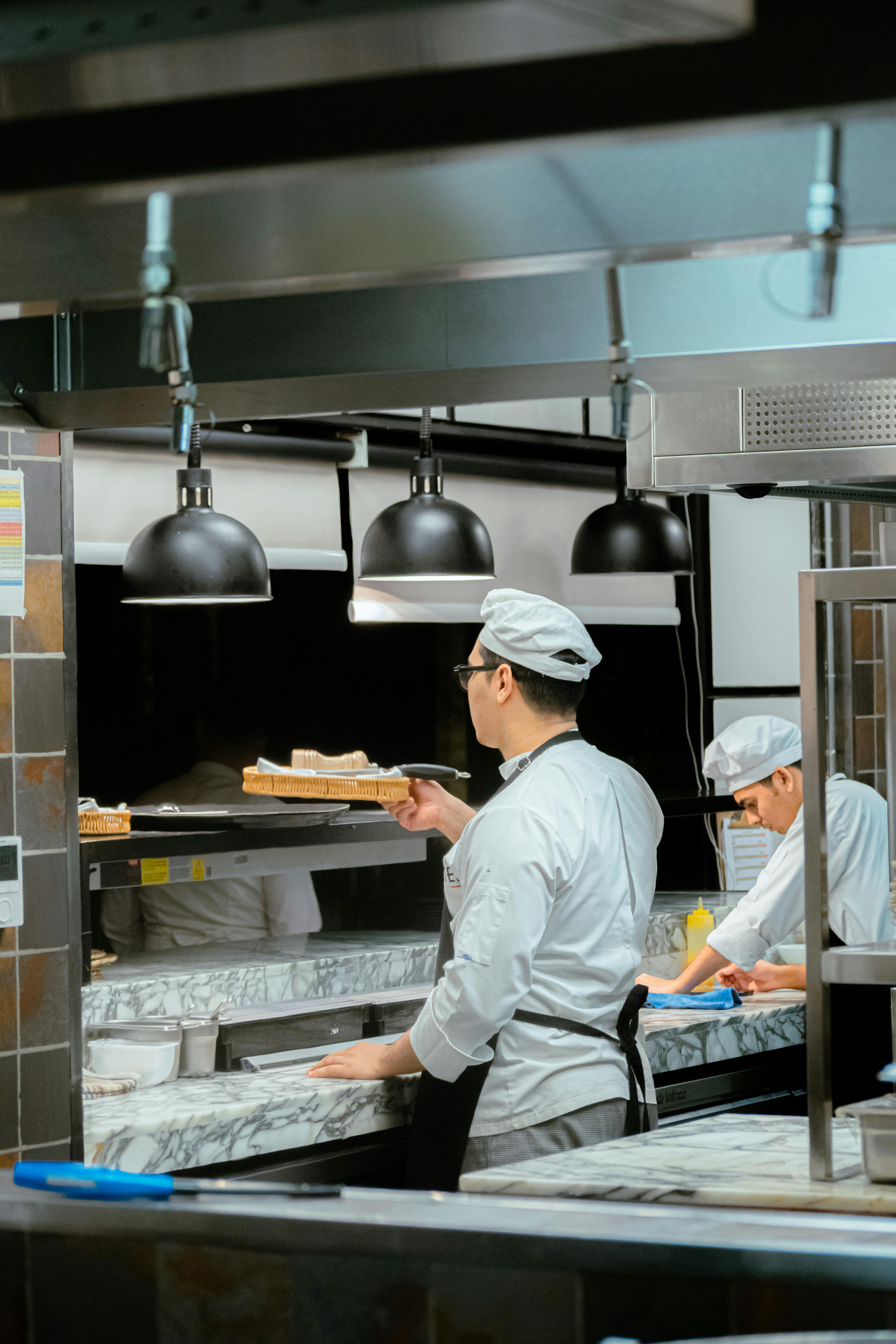
Kitchen Positions Explained
From Commis Chef to Executive Chef: Understanding the Culinary Hierarchy
October 16, 2025 · 11 min read
Walk into any professional kitchen anywhere in the world — whether it’s a Michelin-starred restaurant in Paris, a luxury resort in Dubai, or a tiny ramen shop in Tokyo — and you’ll quickly notice one thing:
Every kitchen runs on hierarchy.
Behind every smooth dinner service is a carefully structured system of ranks, responsibilities, discipline, and leadership.
And understanding those positions is one of the most important things any aspiring chef can learn.
At ChefJobs Abroad , we regularly speak with chefs who dream of working internationally — but many aren’t fully sure:
- What each kitchen role actually means
- How promotions work
- What experience employers expect
- Or how long it realistically takes to move up
This guide breaks down the real culinary hierarchy — from entry-level prep positions all the way to executive leadership.
Understanding the Brigade System
Most professional kitchens still follow some version of the classic French brigade system, created by legendary chef Auguste Escoffier.
The idea was simple:
Organize kitchens like military brigades so every chef has a clear role, responsibility, and chain of command.
That structure is still used today because during a chaotic dinner rush, organization matters.
A lot.
Commis Chef
The Foundation of Every Culinary Career
Every great chef starts somewhere.
And for many, that starting point is the Commis Chef role.
As a commis, you’re learning the fundamentals while supporting more experienced chefs around you.
Typical Responsibilities
- Basic prep work
- Cutting vegetables
- Preparing mise en place
- Cleaning stations
- Following recipes precisely
- Learning kitchen systems
- Supporting senior chefs during service
Experience Required
Usually:
- Culinary school graduates
- Apprentices
- 0–1 years of professional experience
At this level, attitude matters more than perfection.
Chefs look for:
- Work ethic
- Speed
- Cleanliness
- Humility
- Willingness to learn
Nobody expects a commis to know everything.
But they do expect effort.
Demi Chef de Partie
Larger kitchens often include an in-between role:
The Demi Chef de Partie.
Think of it as the transition phase between junior prep roles and full station ownership.
Typical Responsibilities
- Assisting on stations
- Running simpler services
- Supporting CDPs
- Helping train newer commis chefs
- Managing prep independently
Experience Required
- 1–2 years of professional kitchen experience
At this stage, chefs begin trusting you with more responsibility and less supervision.
Chef de Partie (CDP)
The Backbone of Professional Kitchens
This is where many chefs truly begin developing confidence.
As a Chef de Partie, you’re responsible for an entire section of the kitchen.
That could mean:
- Grill
- Sauté
- Fish
- Pastry
- Garde manger
- Butchery
- Hot appetizers
Responsibilities
- Running your station during service
- Maintaining consistency
- Training junior chefs
- Managing prep levels
- Communicating with other stations
- Handling pressure independently
Experience Required
- 2–4 years of kitchen experience
- Strong technical fundamentals
- Ability to survive intense service pressure
This is often where chefs begin specializing and finding their strengths.
A strong CDP can carry service.
Sous Chef
The Second-in-Command
The Sous Chef is the operational heart of many kitchens.
They bridge the gap between leadership and execution.
While the Head Chef may focus on menu development or business operations, the sous chef often controls the daily reality of service.
Responsibilities
- Managing service flow
- Training staff
- Scheduling
- Ordering inventory
- Maintaining standards
- Solving problems during service
- Leading the brigade when the head chef is absent
Experience Required
- 4–7+ years of experience
- Leadership ability
- Emotional control under stress
- Kitchen management skills
- Food cost understanding
At this level, cooking skill alone is no longer enough.
You must manage people, systems, pressure, and consistency simultaneously.
Chef de Cuisine (CDC)
The Head Chef
This is the leader of an individual kitchen.
The Chef de Cuisine, often called the Head Chef, shapes the culinary identity of the restaurant.
Responsibilities
- Menu creation
- Kitchen leadership
- Hiring and firing
- Food cost control
- Supplier relationships
- Maintaining standards
- Creative direction
- Team culture
Experience Required
- 7–10+ years of professional experience
- Several years in leadership roles
- Strong business awareness
- Creativity and consistency
- Ability to lead under pressure
A great CDC balances:
- Creativity
- Leadership
- Business
- Mentorship
- Operational efficiency
And yes…
It can be extremely stressful.
Executive Chef
Beyond the Kitchen
The Executive Chef typically oversees multiple kitchens or large hospitality operations.
This role becomes heavily focused on:
- Business strategy
- Financial performance
- Hiring leadership teams
- Brand consistency
- Large-scale operations
Common Workplaces
- Luxury hotels
- Restaurant groups
- Cruise ships
- Resorts
- Catering corporations
- International hospitality brands
Experience Required
- 10–15+ years of industry experience
- Advanced leadership ability
- Business and budgeting knowledge
- Multi-unit operational experience
At this level, you’re often managing people more than pans.
Specialized Kitchen Roles
Pastry Chef
Pastry is an entirely separate discipline with its own hierarchy and techniques.
It requires:
- Precision
- Patience
- Technical consistency
- Strong baking science knowledge
Butcher
Dedicated butchers handle:
- Protein breakdown
- Fish fabrication
- Portioning
- Specialized cuts
This is a respected technical skill in serious kitchens.
Expeditor
The expeditor controls communication during service.
They coordinate timing, organize tickets, and ensure dishes leave correctly.
Strong expeditors keep kitchens from collapsing during busy services.
Kitchen Porter / Dishwasher
Possibly the most underrated role in hospitality.
A weak dish pit can destroy an entire service.
Many successful chefs started here.
The Reality of Climbing the Ranks
One of the biggest misconceptions young chefs have is believing promotions happen quickly.
Usually:
The kitchen rewards consistency more than speed.
You cannot fake experience during a Saturday dinner rush.
Every level teaches something different:
- Commis → discipline
- CDP → consistency
- Sous Chef → leadership
- CDC → vision
- Executive Chef → business mastery
Skipping steps often creates weak leaders later.
International Kitchens Change Everything 🌍
Working abroad exposes chefs to entirely different systems, expectations, and opportunities.
A line cook in a Michelin-starred restaurant in Copenhagen may have more technical skill than a head chef elsewhere.
Prestige matters.
Training environments matter.
And international experience can dramatically accelerate your career.
Many chefs use:
- Stages
- Seasonal jobs
- Luxury resorts
- Working holidays
- Fine dining apprenticeships
To level up faster than they ever could at home.
Final Thoughts
Every executive chef once peeled potatoes.
Every sous chef once struggled through prep shifts.
Every great kitchen leader started somewhere small.
The culinary hierarchy exists for a reason:
Great chefs are built layer by layer.
Patience, consistency, humility, and repetition matter more than ego.
At ChefJobs Abroad , we believe understanding the industry is the first step toward building a serious international culinary career.
Your first kitchen role may seem small now.
But it could eventually lead you anywhere in the world.
Never Miss a Chef Opportunity
Get the newest international chef jobs and travel career guides delivered weekly.
No spam. Unsubscribe anytime.